
xAI's Rapid Memphis Expansion Underscores the Role of Advanced Nuclear in Powering AI's Future
By Cleaner Energy Solutions Staff
Published December 30, 2025
In the fast-evolving landscape of artificial intelligence, Elon Musk’s xAI is making headlines with its aggressive infrastructure buildout in Memphis, Tennessee. The company’s recent acquisition of a building for a third data center—following facilities in Boxtown and Whitehaven—signals a massive scale-up to support its ambitious goals, including deploying at least 1 million GPUs. Valued at around $200 billion after 2025 fundraising, xAI is investing an estimated $30-40 billion in this hub for training its Grok AI chatbot. While this growth promises economic transformation for the region, it also amplifies critical discussions around energy consumption, environmental impacts, and the need for sustainable power solutions—areas where Cleaner Energy Solutions (CES) is uniquely positioned to lead.
The Scale and Challenges of xAI’s Memphis Footprint
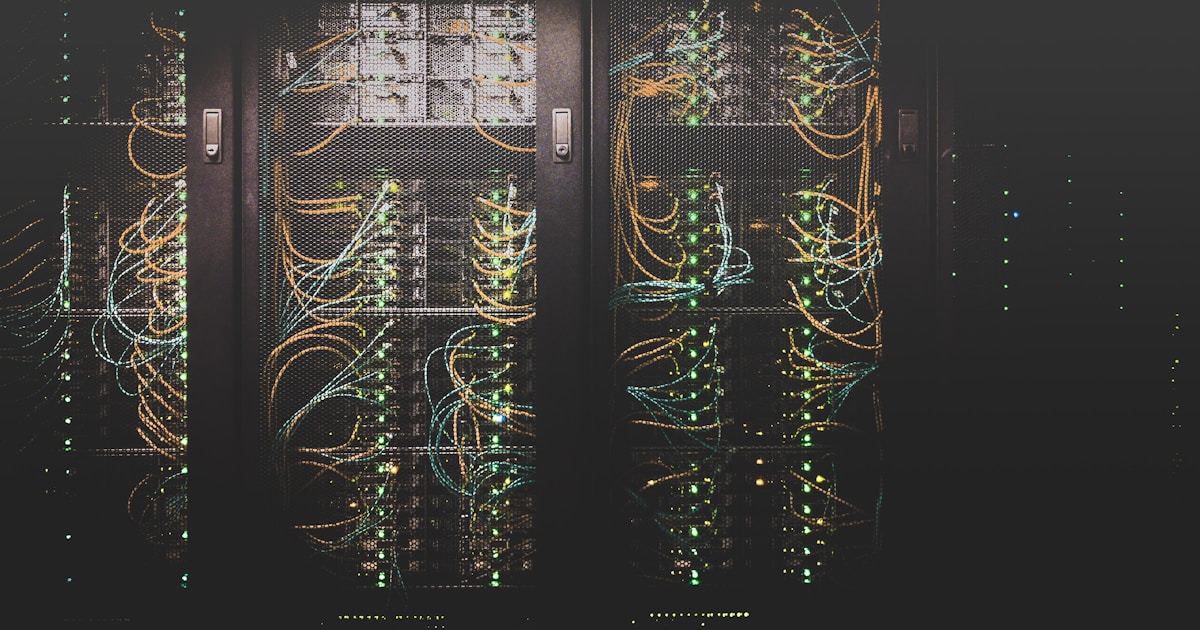
xAI’s Colossus supercomputer, housed in a repurposed Electrolux factory, was constructed in a record 122 days and already operates about 200,000 GPUs. The new facilities in Whitehaven and the undisclosed third site will expand this capacity dramatically, positioning Memphis as a cornerstone of xAI’s operations. However, this rapid expansion has sparked community and environmental concerns.
Key issues include:
Water Usage: Initial estimates projected over 1 million gallons per day for cooling at the first site, though actual peak usage has been around 381,000 gallons. xAI is addressing this with an $80 million water recycling plant set to process up to 13 million gallons daily by late 2026, reducing strain on the Memphis Sand Aquifer by about 9%.
Air Pollution and Permits: Environmental groups, including the Southern Environmental Law Center, have raised alarms over unpermitted methane gas turbines, alleging violations of the Clean Air Act. These turbines emit nitrogen oxides, exacerbating health issues like asthma and cancer in predominantly Black neighborhoods already burdened by pollution.
Energy Demands: Powering 1 million GPUs requires immense, reliable baseload energy—far beyond what intermittent renewables can consistently provide. Current reliance on gas turbines highlights the tension between AI’s growth and sustainability goals, especially as global AI energy trends project a 12% increase in U.S. electricity demand by 2028.
These challenges mirror broader industry trends, where data centers for AI and cloud computing are straining grids dominated by fossil fuels. In Puerto Rico, for instance, the 1,800 MW grid—largely powered by diesel and natural gas—faces similar vulnerabilities, compounded by natural disasters like hurricanes and earthquakes.
CES’s SMR Technology: A Scalable, Carbon-Zero Solution for AI Power Needs
At CES, we’re revolutionizing energy production with our innovative Small Modular Reactor (SMR) technology, housed in sleek, resilient ellipsoid domes designed for minimal footprint and maximum safety. Each module delivers up to 300 MW of clean, baseload power—enough to support high-demand operations like xAI’s GPU clusters without the emissions or resource intensity of gas turbines.
Our approach aligns perfectly with the demands of AI infrastructure:
Modular Scalability: Inspired by a “Dell computer”-style ecosystem, CES facilities allow seamless addition of domes to scale output (e.g., 600 MW or 900 MW). This modularity suits xAI’s phased expansions, enabling quick deployment without massive upfront infrastructure costs.
Environmental Resilience: With up to 3 feet of reinforced concrete segregation between reactor, steam turbine, and generator components, our domes are engineered to withstand extreme events—ideal for regions like Memphis or Puerto Rico prone to weather disruptions. Unlike gas turbines, SMRs produce zero carbon emissions, directly addressing pollution concerns and supporting global sustainability targets.
Policy Alignment: Under the renewed Trump administration focus on nuclear energy, including the Nuclear Energy Innovation and Modernization Act, CES benefits from streamlined regulations and funding for advanced SMRs. This positions us to reduce U.S. reliance on fossil fuels while meeting surging AI demands, as seen in partnerships with tech giants like AWS and Tesla for hybrid energy systems.
For sites like San Germán, Arecibo, and Morovis in Puerto Rico, CES’s designs optimize space and integrate advanced visualizations, such as D3 chart maps, to demonstrate facility impacts on local grids and communities. By replacing diesel/gas with nuclear, we can transform AI hubs into models of efficiency, echoing Elon Musk’s principles of innovation and sustainability.
Looking Ahead: Partnerships for a Sustainable AI Ecosystem
xAI’s Memphis project exemplifies the intersection of technological ambition and energy reality. As AI consumption skyrockets—potentially doubling data center power needs by 2030—solutions like CES’s SMRs offer a path forward. We’re exploring collaborations with leaders like xAI, leveraging our tools to analyze X posts, web data, and site specifics for refined layouts and compliance.
If you’re in tech, energy, or infrastructure, contact CES today for a site assessment. Together, we can power the AI revolution with clean, resilient energy that meets tomorrow’s demands while protecting our planet. Stay tuned to our resources hub for more on AI energy trends and how modular nuclear is reshaping the future.