
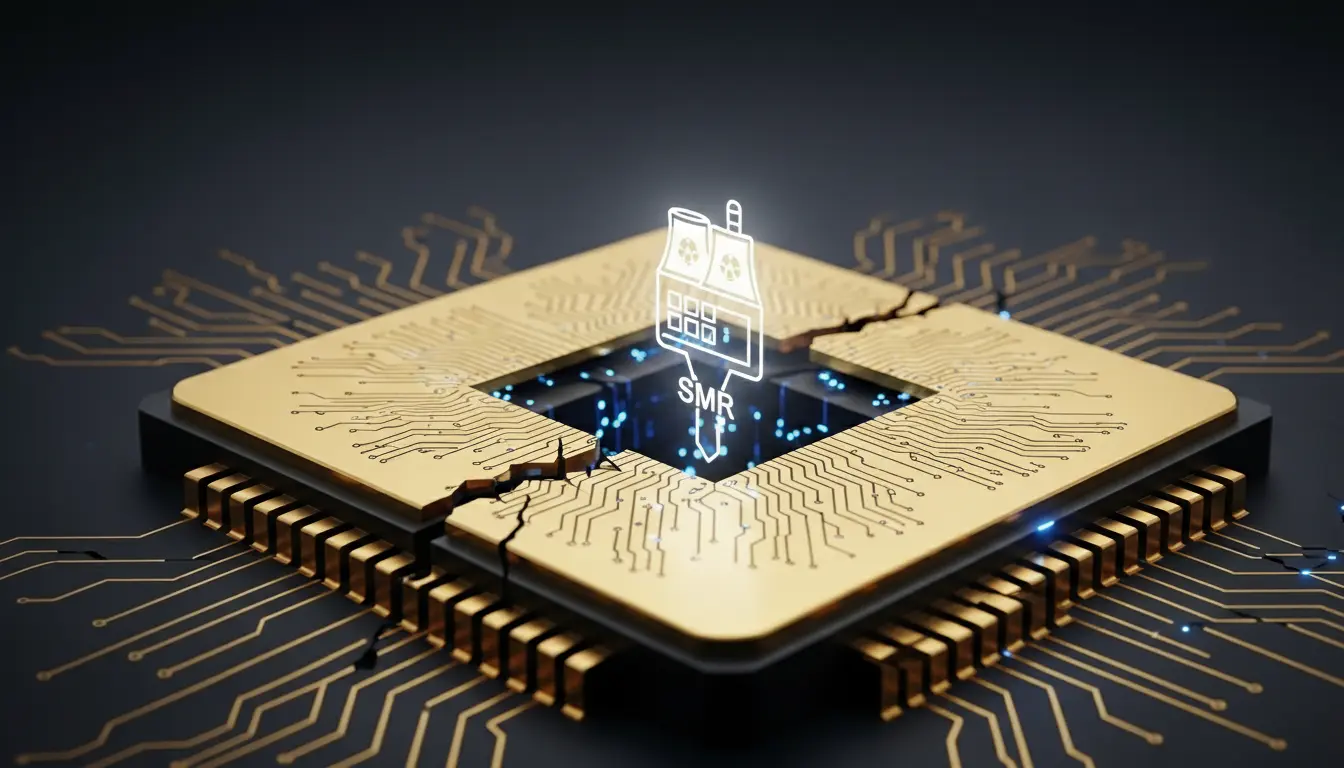
Powering the $165 Billion AI Revolution - Why Project Jupiter Needs SMR Technology
By Cleaner Energy Solutions
Published December 23, 2025
Santa Teresa, NM --- The recent approval of “Project Jupiter” in Doña Ana County, New Mexico, has sent shockwaves through both the tech and energy sectors. With a staggering $165 billion in industrial revenue bonds greenlit for a hyperscale AI-training data center campus, the project represents one of the largest industrial undertakings in modern U.S. history.
However, the scale of the investment---which includes $15 billion specifically for micro-grid energy production---highlights a growing crisis: The AI revolution is outstripping the capacity of the traditional power grid.
The Energy Bottleneck
As AI-driven electricity demand is projected to rise by 12% across the U.S. by 2028, “Project Jupiter” serves as a case study for the challenges facing hyperscalers. The New Mexico project faces significant public scrutiny regarding resource strain in water-scarce areas and potential grid overload.
While the project currently looks toward traditional micro-grid solutions, the industry is reaching a consensus: to sustain the 24/7, high-density loads required for AI training, we need a “baseload” solution that is carbon-zero, water-efficient, and physically resilient.
The CES Advantage: Small Modular Reactors (SMRs)
At Cleaner Energy Solutions (CES), we view the “Project Jupiter” milestone not just as a data center achievement, but as a call to action for advanced nuclear integration. Our SMR technology offers a direct answer to the concerns raised by Doña Ana County residents and developers alike.
1. Unmatched Power Density & Small Footprint
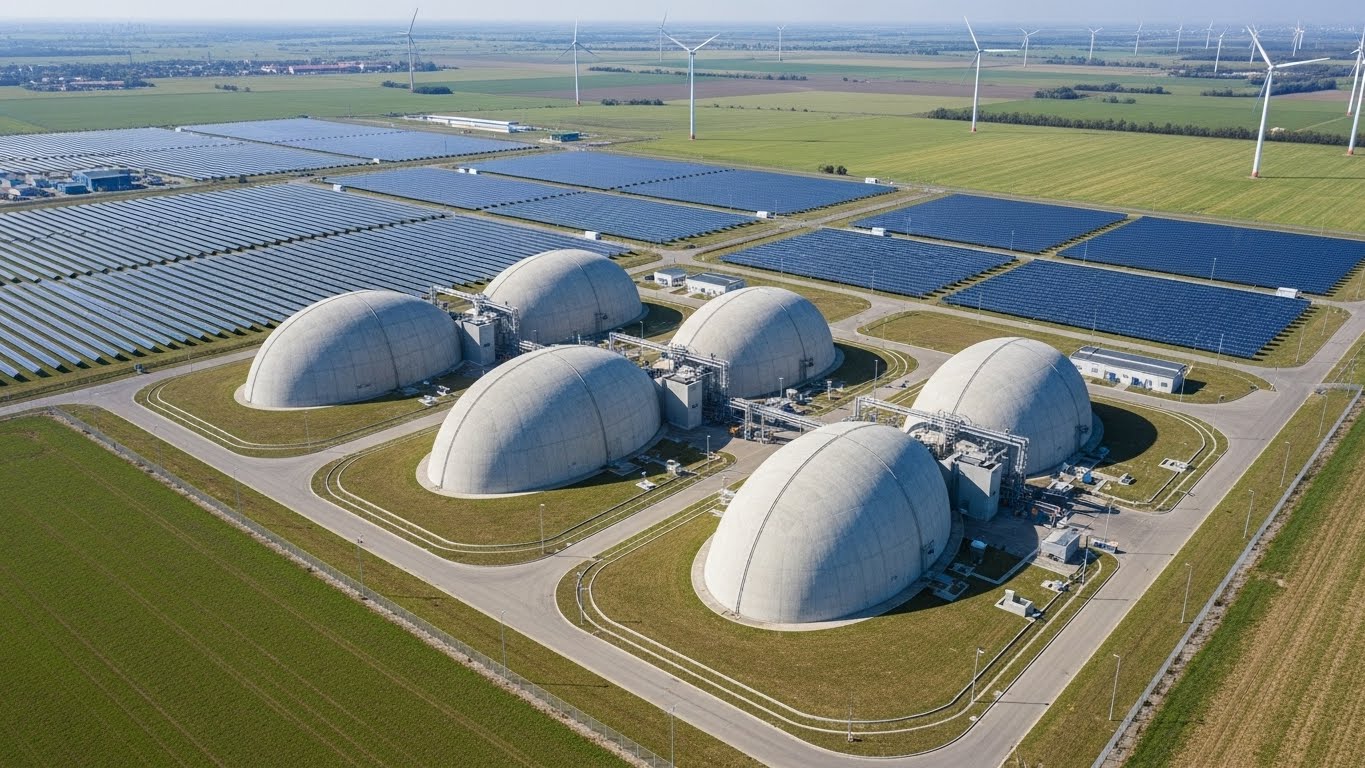
Traditional renewable micro-grids (solar and wind) require thousands of acres to produce gigawatt-scale power. In contrast, a CES SMR deployment provides 300 to 900 MW of power on a footprint of just 20 to 90 acres. Our reactors achieve a land-use efficiency of 0.001—0.017 acres/MW, making them the ideal choice for industrial hubs where land and water conservation are paramount.
2. Hurricane-Resistant Resilience
Reliability is the currency of the AI era. CES’s unique ellipsoid-dome designs are engineered for extreme resilience. Whether facing the high winds of a coastal site or the instability of an overtaxed inland grid, our SMRs provide a “hardened” energy source that ensures AI training never goes offline.
3. Carbon-Zero Synergy
As tech giants like Google and AWS pivot toward nuclear to meet their net-zero goals, CES is positioned to bridge the gap. Beyond electricity, our reactors produce co-products like hydrogen, which can be utilized for advanced data center cooling systems, further reducing the environmental impact of massive facilities like Project Jupiter.
A New Era of Energy Independence
The approval of Project Jupiter aligns with a broader national shift toward energy independence and the “Nuclear Renaissance.” With federal support from the DOE’s Gen III+ SMR programs, the transition to small-scale, modular nuclear power is no longer a “future” concept---it is the prerequisite for the next generation of American innovation.
“While Project Jupiter represents the massive potential of AI, CES provides the massive power required to realize it,” says the CES leadership team. “By integrating SMRs with hyperscale data centers, we can create economic hubs that are not only profitable but sustainable and resilient for the long term.”
About Cleaner Energy Solutions (CES):
CES is a leader in carbon-zero, scalable energy infrastructure. Specializing in SMR technology and resilient micro-grid design, CES provides the power behind the world’s most demanding industries.
For more information on how SMRs are powering the future of AI, visit our Technology Page.