
NRC Regulatory Reform and CES: Advancing Safe, Scalable Nuclear for America's Energy Future
By Cleaner Energy Solutions Staff
Published March 14, 2026
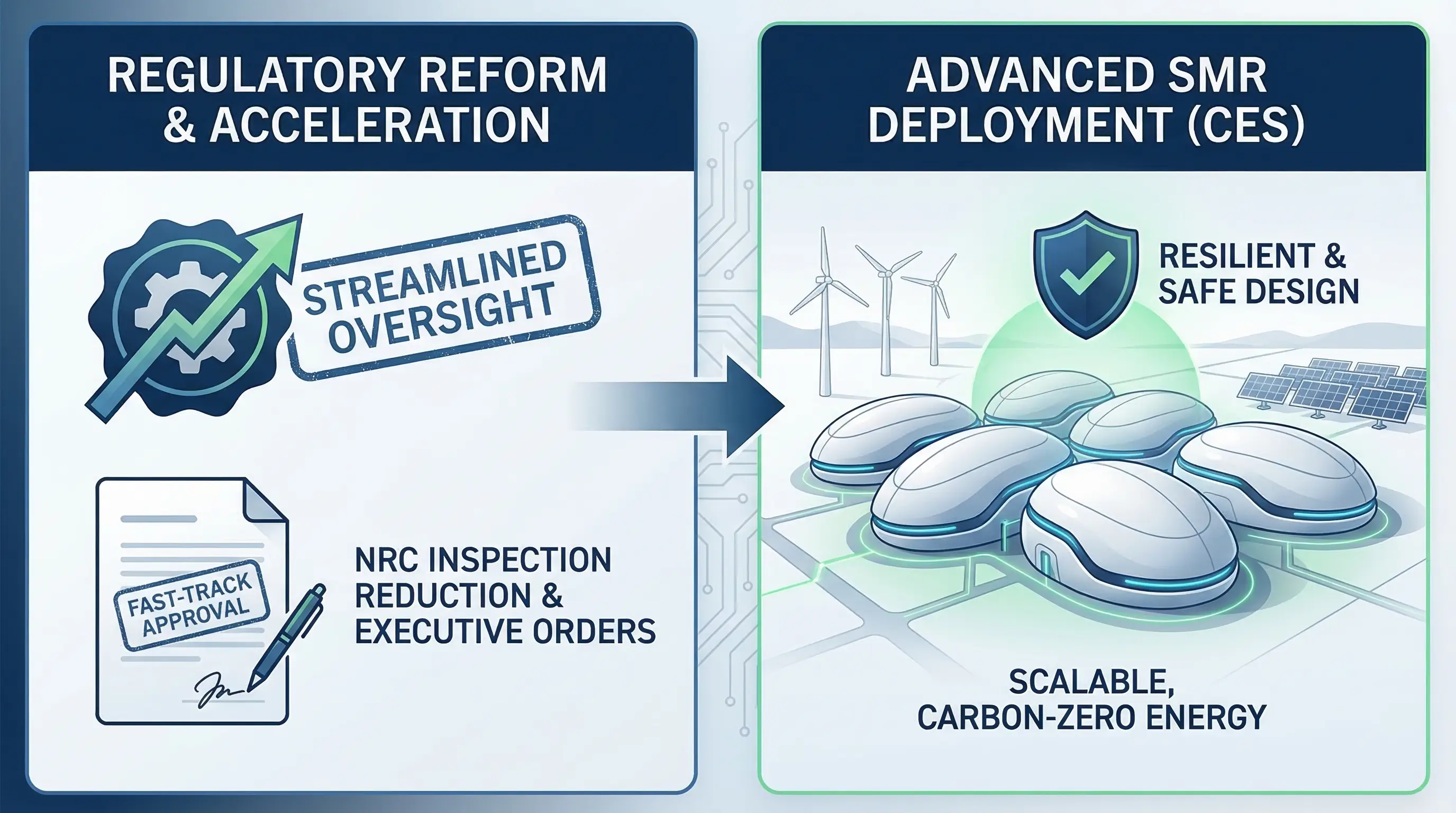
The Nuclear Regulatory Commission (NRC) recently proposed significant reductions in inspection hours at U.S. nuclear power plants, cutting annualized direct inspection time from approximately 2,018 hours to 1,245 hours per typical facility—a reduction of about 38%. This proposal, detailed in NRC documents released in February 2026, stems directly from executive orders signed by President Donald Trump in May 2025. These orders called for a “wholesale revision” of NRC regulations to eliminate perceived “risk aversion,” streamline licensing, and accelerate the deployment of advanced nuclear technologies to quadruple U.S. nuclear capacity to 400 GW by 2050.
Understanding the Proposed Changes
The cuts target key oversight areas:
- Emergency preparedness inspections: 56% reduction
- Security procedures: 48% reduction
- Radiation protection: 38% reduction
- Reactor safety: 30% reduction
Separately, the baseline security inspection program faces a 50% reduction in direct hours, with eight of 11 existing procedures retired and consolidated into two, and the Force-on-Force program (simulating terrorist attacks) scaled back to triennial exercises.
The Debate: Safety vs. Efficiency
Critics, including former NRC Chair Allison MacFarlane and Edwin Lyman of the Union of Concerned Scientists, have raised alarms, describing the changes as a threat to national security and a potential rollback of safeguards that have prevented major incidents since Three Mile Island. NRC staff have noted that independent inspections uncover “significant safety findings” missed by operators, underscoring their role as a vital quality check.
These developments align with the Trump administration’s broader push for domestic energy independence through advanced nuclear, including streamlined regulations under the Nuclear Energy Innovation and Modernization Act. While concerns about oversight persist, the reforms aim to reduce unnecessary burdens, focus on credible risks, and enable faster innovation—particularly for small modular reactors (SMRs) that can meet surging electricity demands from AI data centers and grid modernization.
CES’s Position: Innovation Meets Safety
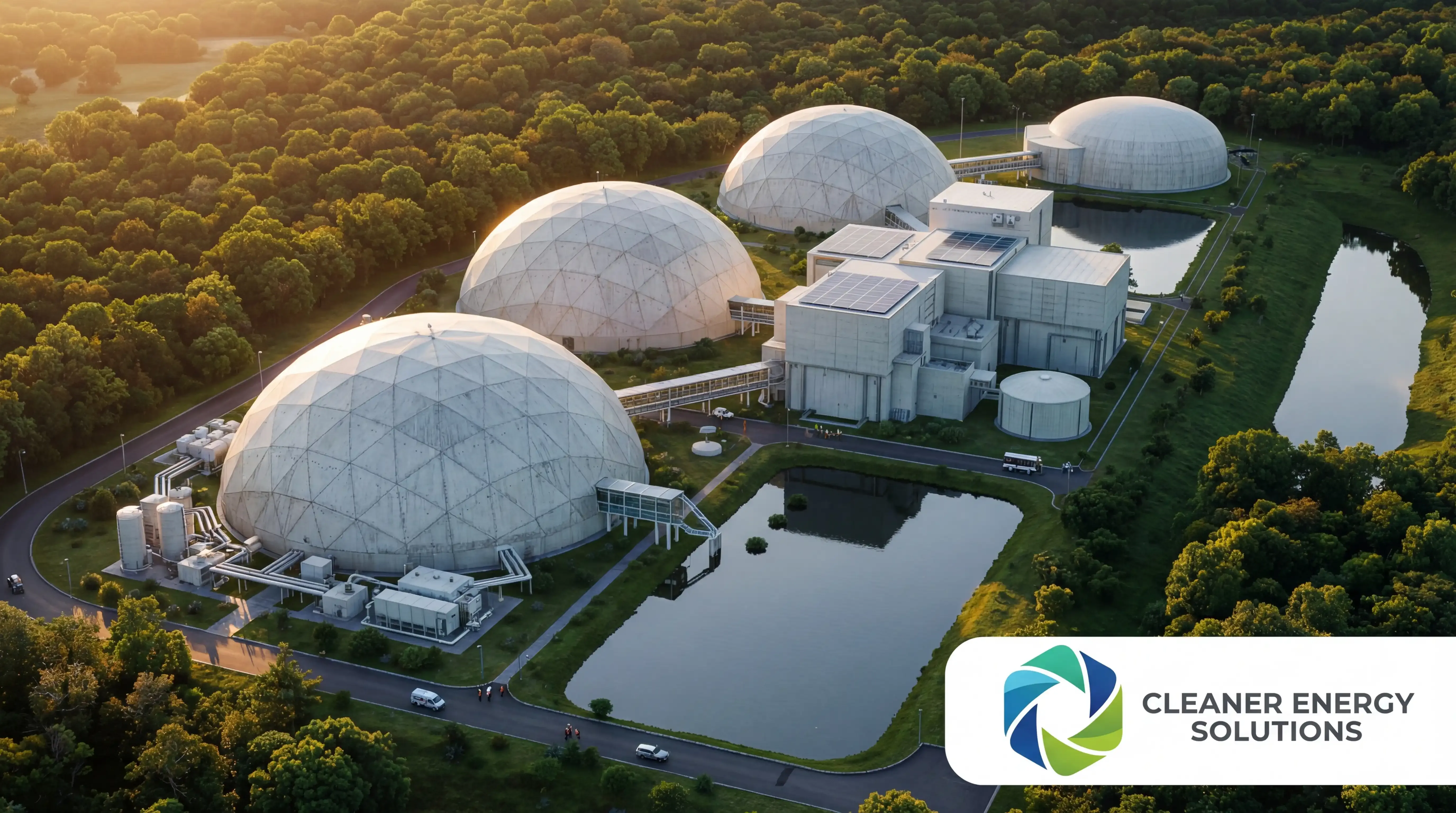
Cleaner Energy Solutions (CES) views these regulatory evolutions as a timely opportunity to accelerate the deployment of safe, efficient, carbon-zero nuclear power. Our innovative Small Modular Reactor (SMR) technology features advanced reactor modules encapsulated in sleek, resilient ellipsoid domes engineered for minimal footprint and maximum durability. Each dome integrates the full reactor system—including the reactor vessel, steam turbine, and generator—segregated by up to 3 feet of reinforced concrete to enhance safety and withstand extreme events like hurricanes and earthquakes.
Modular Excellence: Scale with Confidence
This modular approach embodies a “Dell computer”-style ecosystem: start with one 300 MW module and scale seamlessly by adding domes to reach 600 MW, 900 MW, or beyond. CES designs optimize space, reduce construction timelines, and prioritize inherent safety features that align with risk-informed, performance-based regulation.
Our proposed sites in Puerto Rico—San Germán, Arecibo, and Morovis—demonstrate how SMRs can revitalize grids historically reliant on diesel and natural gas (totaling ~1,800 MW), delivering reliable baseload power while slashing emissions.
Regulatory Reform Enabling Innovation
The Trump administration’s emphasis on advanced nuclear technologies, including executive orders directing NRC reforms, supports streamlined licensing and reduced regulatory burdens for credible risks—precisely the environment where CES thrives. By focusing oversight on high-impact areas rather than duplicative processes, these changes enable innovators like CES to bring resilient, factory-built SMRs online faster, addressing AI-driven demand projections (up to 12% of U.S. electricity by 2028) without compromising safety.
CES draws inspiration from efficiency leaders like Elon Musk, integrating principles of modularity, rapid iteration, and minimal environmental impact. Our domes not only house secure operations but also incorporate advanced safety redundancies, passive cooling systems, and low-probability accident scenarios—features that enhance public confidence and regulatory compliance.
Strategic Partnerships for National Priorities
As the U.S. pursues energy independence and meets rising demands from data centers, CES is positioned to partner with key stakeholders. Potential collaborations with:
- AWS for powering hyperscale facilities
- Tesla for energy storage integration
- LUMA Energy for Puerto Rico grid enhancements
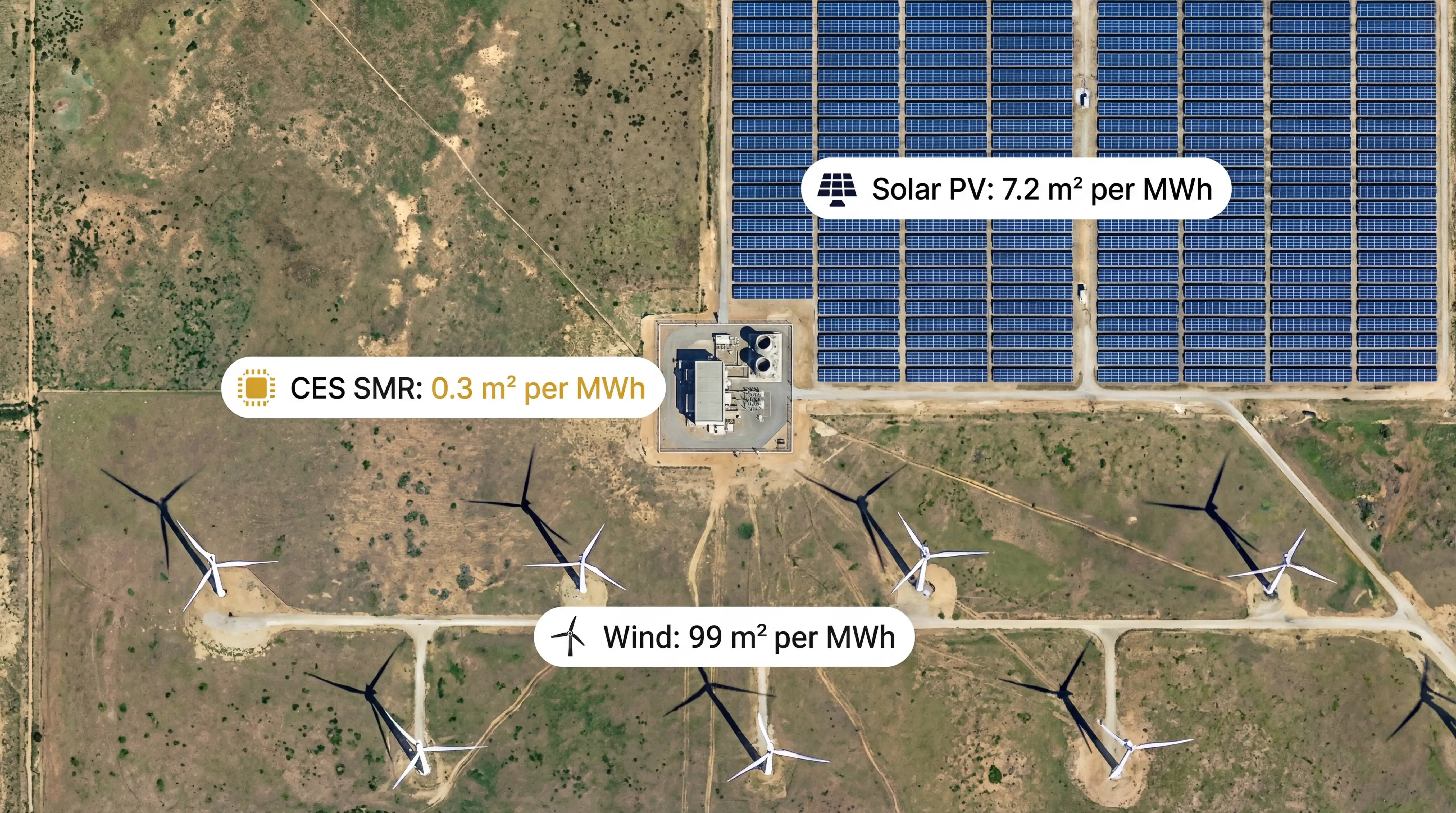
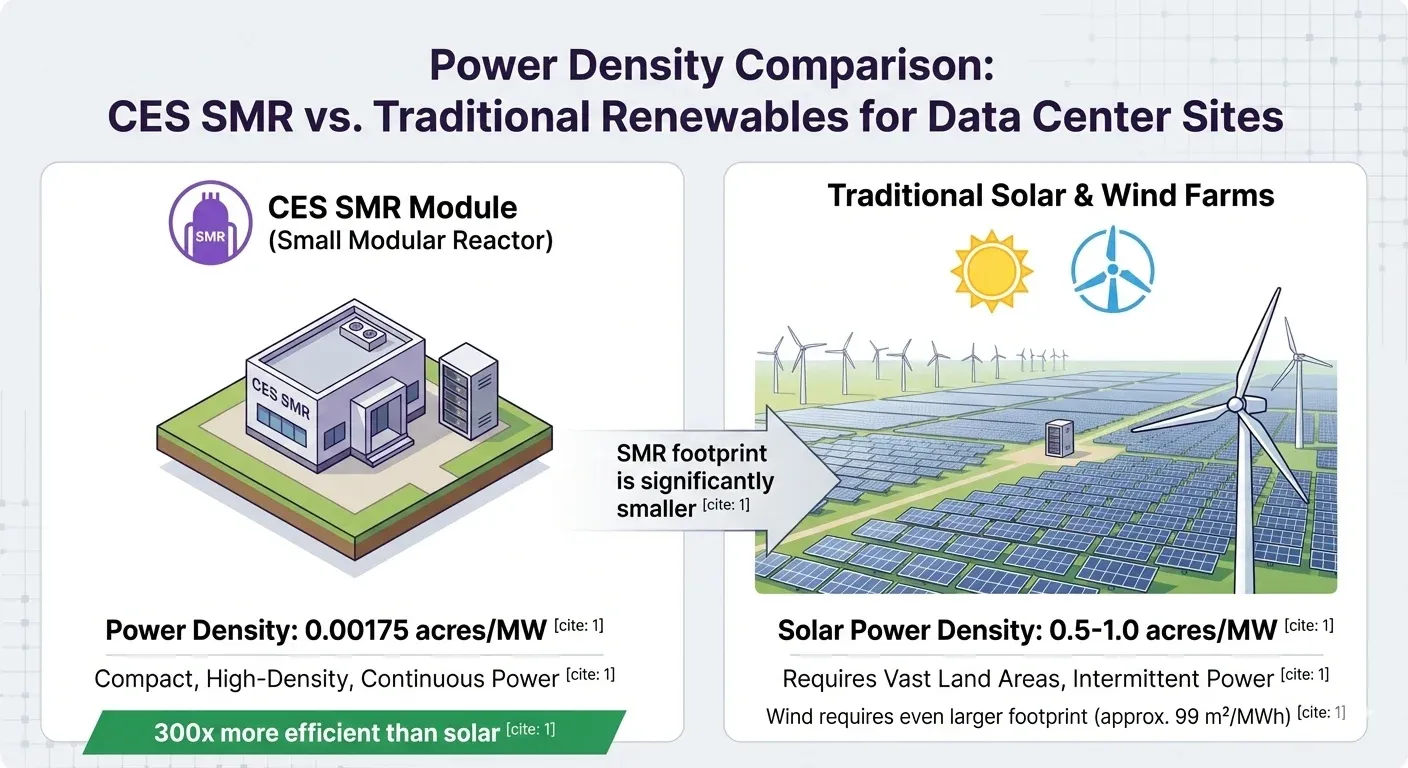
These partnerships ensure our solutions fit seamlessly into national priorities. Advanced visualizations, such as D3-powered impact maps, showcase how CES facilities minimize land use while maximizing output and resilience.
The Path Forward: Efficiency Without Sacrifice
The proposed NRC inspection adjustments, while sparking debate, reflect a strategic shift toward efficiency without sacrificing core safety. CES embraces risk-informed oversight that rewards robust design and performance, allowing our SMRs to contribute to a cleaner, more secure energy landscape. By deploying carbon-zero power at scale, CES helps realize the administration’s vision: a revitalized nuclear sector that powers innovation, strengthens national security, and drives sustainable growth for generations to come.
Contact us to explore how CES can power America’s energy future with safe, scalable, carbon-zero nuclear technology.